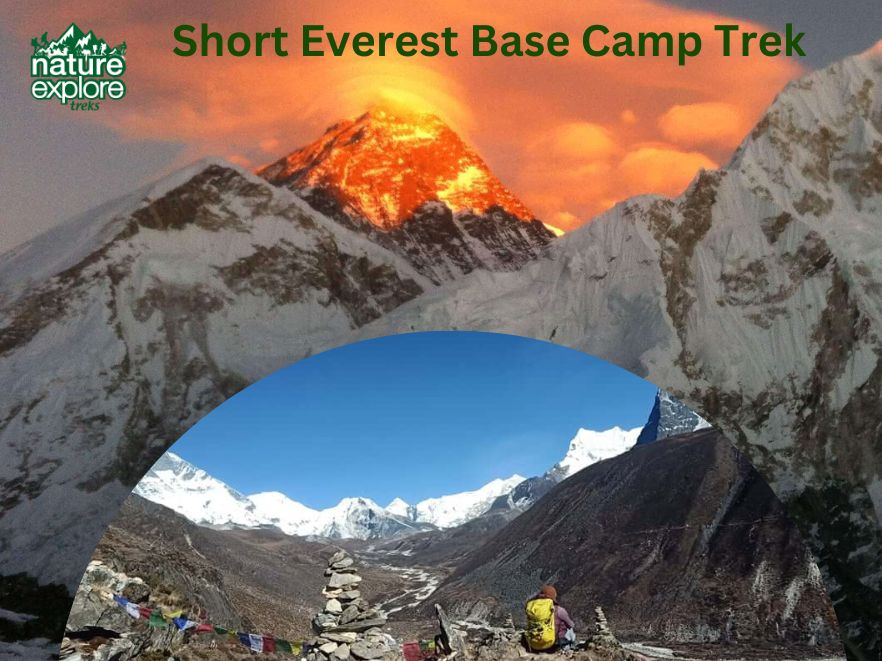
Short Everest Base Camp Trek offers a simplified Himalayan adventure. It's ideal for anyone looking for breathtaking beauty without committing longer, harder routes. Trekkers can spend less time traveling and more time immersed in the beauty of the Everest region. It ensures life-changing memories and a connection with the spectacular Himalayan peaks while being appropriate for treks with limited time or less challenging physical requirements.
In addition, many adventure enthusiasts dream of reaching Everest Base Camp (EBC). In this post, we will examine the wonders of the quick trip to Everest Base Camp and give you all the knowledge you require to start on this thrilling journey.
Table of Contents
- Overview Of Short Everest Base Camp
- Duration And Difficulty
- Highlights Of The Trek
- Which Season Is Best For A Short Trek to Everest Base Camp?
- Spring Season (March to May)
- Autumn Season (September to November)
- Some Useful Information For Short Everest Base Camp Trek
- Everest Base Camp Trek Itinerary
- Conclusion
Overview Of Short Everest Base Camp
Nepal's Short Everest Base Camp is a popular hiking destination annually, attracting many trekkers and adventure seekers. It is the starting point for climbers hoping to reach the top of 5,364-meter (17,598-foot) Mount Everest.
Similarly, the journey to Everest Base Camp is arduous but worthwhile, passing through some of the most spectacular landscapes on earth. The route offers breathtaking vistas of snow-capped mountains, glaciers, and deep valleys as it winds through isolated mountain settlements, lush woods, and high-altitude deserts.
Likewise, the journey typically lasts 12–14 days to complete and travels a distance of about 130 km (80 mi). Numerous well-known sites, including Namche Bazaar, Tengboche Monastery, Dingboche, and Gorak Shep, will be passed along the journey.
Duration And Difficulty
Unlike the longer versions of the trek that require several weeks, the short Everest Base Camp trek can be accomplished in a relatively shorter time frame. Depending on each trekker's speed and acclimatization requirements, the length of the hike may change.
It frequently requires 14 days to travel the short distance to Mount Everest. It is regarded as a moderately challenging excursion that necessitates high levels of physical preparedness and mental alertness.
Highlights Of The Trek
_1684487759.jpg) The short EBC trek offers a multitude of highlights that make it a remarkable experience. From the vibrant Sherpa culture and traditional villages to the stunning Himalayan landscapes, every step on this trek is filled with awe-inspiring moments.
The short EBC trek offers a multitude of highlights that make it a remarkable experience. From the vibrant Sherpa culture and traditional villages to the stunning Himalayan landscapes, every step on this trek is filled with awe-inspiring moments.
Some major highlights include panoramic views of Everest, Ama Dablam, Lhotse, and other towering peaks and the opportunity to explore the famous Namche Bazaar.
Which Season Is Best For A Short Trek to Everest Base Camp?
A secure and refreshing adventure requires that you schedule your short trek to Everest Base Camp during the finest time of year. You will be welcomed by season-wise advantages and challenges in the Everest region.
Thus, this section will explore the best time for the short Everest Base Camp trek, considering weather conditions, visibility, and overall trekking experience.
Spring (March to May) and fall (September to November) are the two main trekking seasons in the Everest region. Both seasons offer favorable weather and excellent visibility, making them the preferred choice for most trekkers. Nevertheless, every season has its distinct features.
Spring Season (March to May)
Spring is the optimal time to undertake the short Everest Base Camp trek. The weather is often steady this time of year, with pleasant temperatures and clear skies. Moreover, the trail is adorned with colorful rhododendron blooms, adding to the breathtaking landscapes. Trekkers can expect stunning views of the snow-capped peaks, including Mount Everest.
At night, the temperature can drop below ten °C (50°F) and rise to 15°C (59°F) during the day. The temperature at night can be between -5°C and five °C (23°F and 41°F). So, during the cooler months, you must pack warm clothing.
Additionally, one thing to remember is that the spring season attracts many trekkers. The popular trails can get crowded, and teahouses may fill up quickly. Therefore, making your trekking arrangements well in advance is advisable to secure accommodation and permits.
Autumn Season (September to November)
Autumn is also a fantastic season for the short Everest Base Camp trek. Due to dry and stable weather conditions, there is generally good visibility and clear mountain views during this season. The temperatures are cooler compared to spring but still comfortable for trekking.
During autumn, the landscapes are adorned with greenery and vibrant colors as the foliage changes. The trails are less congested than in the spring, making for a more relaxing and pleasant trekking experience. This season is also popular for mountaineering expeditions, and you may come across climbers preparing to summit Mount Everest.
The daytime temperatures in the autumn range from 10°C to 20°C, and the nights can be chilly. At night the temperature is between -5°C to 5°C. And the best way to adjust to changing temperatures throughout the day is by wrapping warm clothes and layering them.
Some Useful Information For Short Everest Base Camp Trek
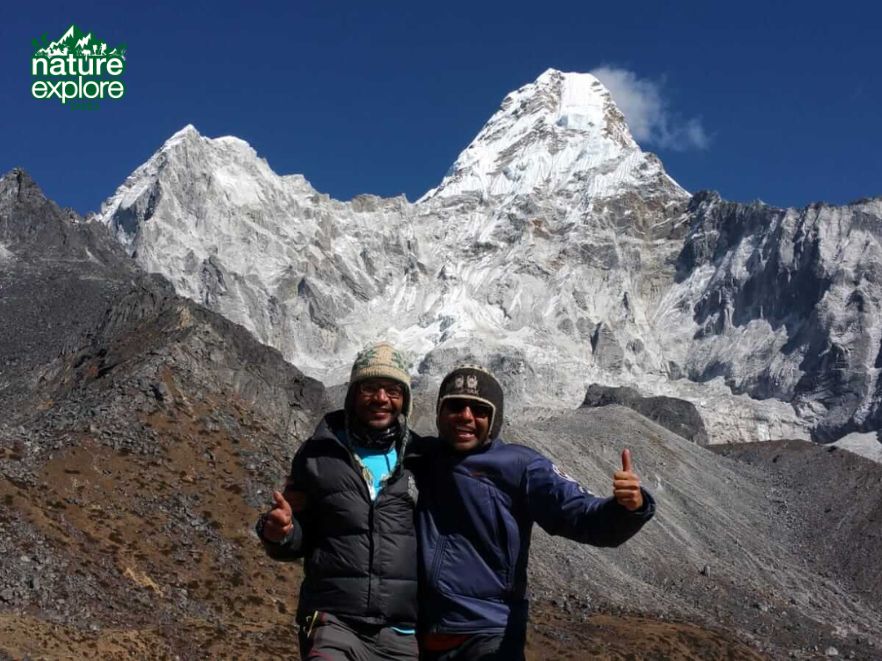 If you're planning to do a short Everest Base Camp trek, here is some useful information that you should keep in mind:
- Duration: An iconic Everest base camp trek takes 12-14 days. This trek, which is around kilometers (40 miles) long, can be ideal for those who want to witness the splendor of the Himalayas but only have a limited period.
- Altitude: Kala Patthar, located at an elevation of 5,545 meters (18,192 feet), is the highest point on the brief Everest Base Camp walk. Complete acclimatization is essential to prevent altitude sickness.
- Weather: The spring (March–May) and fall (September–November) seasons are the optimum times to complete a brief trek to Everest Base Camp. The skies are blue, and the surrounding environment is breathtaking throughout these months.
- Accommodation: Several teahouses and hostels provide simple lodging and meals along the trail. It is recommended to book your hotel accommodations before embarking during the peak season to minimize any inconveniences.
- Fitness level: Good fitness is always required for an Everest base camp trek. It's recommended to do some physical training before embarking on this trek.
- Permits: You'll need the Khumbu Pasang Lhamu Rural Municipality Permit and the Sagarmatha National Park Permit for the short Everest Base Camp Trek. These permits are available from the Nepal Tourism Board in Kathmandu and the Monjo checkpoint.
- Guides and porters: Hiring a guide or porter is optional but highly recommended for a stress-free trekking trip. In addition to guiding you on the route, they may provide insightful information about the community's culture and traditions.
Everest Base Camp Trek Itinerary
Day 1: Arriving in Kathmandu
Upon arrival in Kathmandu, you will meet our staff member, who will drive you to your hotel.
Day 2: Fly from Kathmandu to Lukla (2,800 metres/9,186 feet) and trek to Phakding (2,652 metres/8,700 feet)
You will meet your trekking guide and porters when you take an early-morning flight from Kathmandu to Lukla. You'll begin your journey from Lukla to Phakding through several small communities and over the Dudh Koshi River.
Day 3: Phakding to Namche Bazaar (3,440 meters/11,283 feet)
You will pass across beautiful pine forests along the Dudh Koshi River today. You must cross many suspension bridges and climb an enormous hill before you arrive at Namche Bazaar, the gateway to the Everest region.
Day 4: Acclimatisation Day in Namche Bazaar
Namche Bazaar offers a relaxation day today to help you adjust to the altitude. The Sherpa Museum and Khumjung Monastery are nearby attractions you could explore during the day.
Day 5: Trekking from Namche Bazaar to Tengboche (3,870 metres/12,694 feet)
Today's journey gives breathtaking views of Mount Everest, Lhotse, Ama Dablam, and other peaks as it moves through rhododendron forests. You will go to Tengboche Monastery, among the region's most significant Buddhist monasteries.
Day 6: Trek from Tengboche to Dingboche (4,360 metres/14,300 feet)
Your journey today passes through the alpine scenery and several small villages. Before arriving at Dingboche, you'll cross the Imja River and move up a challenging slope.
Day 7: Trek to Lobuche alt 4900m
You can enjoy breathtaking views of the lovely valley and Mount Pumori (7,138 meters) while hiking over the barren terrace. To get to Duglha for lunch and to continue on the steep terminal moraine of the Khumbu Glacier, we descend a hill and cross a swiftly running creek on a wooden bridge. To go to Lobuche for an overnight stay, we must continue walking.
Day 8: Return to Gorak Shep from trekking Everest base camp at 5210m
Your trek today will take you to Gorek Shep, where we'll stop for lunch and rest for a while before continuing to the base camp of Mount Everest in the late afternoon to view the magnificent sunset over the towering Himalayas. For the night, we go back to Gorek Shep.
Day 9: Hike to Kalapather and trek back to Pheriche or Pangboche alt 4030m
After breakfast, we will set out early to hike to Kalapathar (5545 m). Numerous mountains, including Nuptse, Amadablam, Cholatse, Pumori, Lhotse, Everest, Tabuche, Changtse, Lo-la, Lingtren, Khumbutse, and others, may be seen from the summit. For an overnight stay, we return to Pangboche or Pheriche.
Day 10: Trek back to Namche bazaar alt 3400m
From this point on, the walk is downward as we take in the sights and memories we've gathered over the past several days. We will descend through many suspension bridges and monasteries before arriving at our destination. Stay the night at Namche.
Day 11: Trek Back to Lukla alt 2800m
The journey continues as we cross the Dudh Koshi on suspension bridges before concluding for the day in Lukla. While strolling, we can still take in the vistas of the rhododendron forests and snow-capped mountains. Similarly, we'll toast our triumphant return from the unforgettable excursion to the Everest region. Stay overnight.
Day 12: Fly to Kathmandu at 1300m
We have some free time to relax, explore, and buy presents and souvenirs for family and friends before our early morning trip to Kathmandu. Spend the night at Thamel.
Conclusion
In conclusion, the short Everest Base Camp trek is suitable for experienced hikers and trekkers accustomed to long days of climbing and difficult terrain because it is considered a demanding trek that demands strong physical fitness and planning.
The short Everest Base Camp trek, stunning scenery, colorful culture, and unique experiences give a wonderfully rewarding experience for those that do it.

- Best price guaranteed.
- Your money is 100% safe.
- Deep local knowledge and on ground attendance.
- We are available around the clock.
- All trip are fully customizable.
- Guaranteed Departure on Every Booking.
- You can schedule your own departure dates.
- All trip, we can help you to make fit on your budget.
- Company based in Nepal.