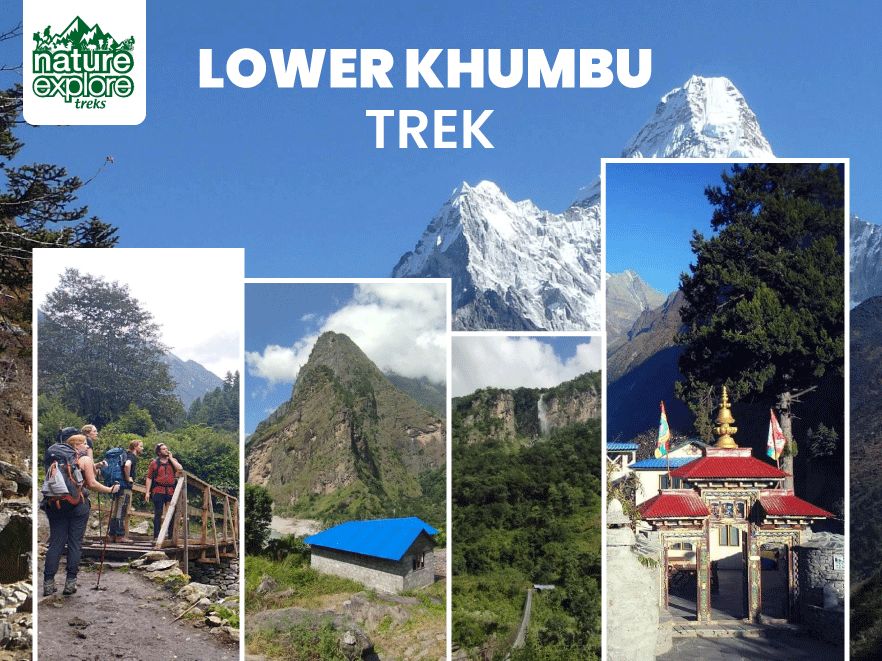
The Lower Khumbu trek offers an unforgettable trip through breathtaking landscapes, a vibrant Sherpa culture, and massive Himalayan peaks in Nepal's stunning Khumbu area. Trekking provides the opportunity to explore Sherpa culture and the Himalayan path with views of Everest and other peaks.
It is best to consult with local trekking companies and guides to ensure a safe and enjoyable experience. The trip is fully included in all necessary expenses, including entrance fees, welcome and farewell dinners, meals, housing, a domestic flight, a local guide, an assistant guide, porters, insurance, a medical kit, and trekking permits.
Table of Contents
Overview
This off-the-beaten-path trip is recommended for hikers seeking a unique experience away from busy routes. A once-in-a-lifetime adventure, the Lower Khumbu Trek will test your limitations and reward you with breathtaking scenery and precious memories.
This article will discuss the Lower Khumbu Trek's numerous attractions and offer crucial information, suggestions, and insights to help you have the trip of a lifetime.
Lower Khumbu Trek Location
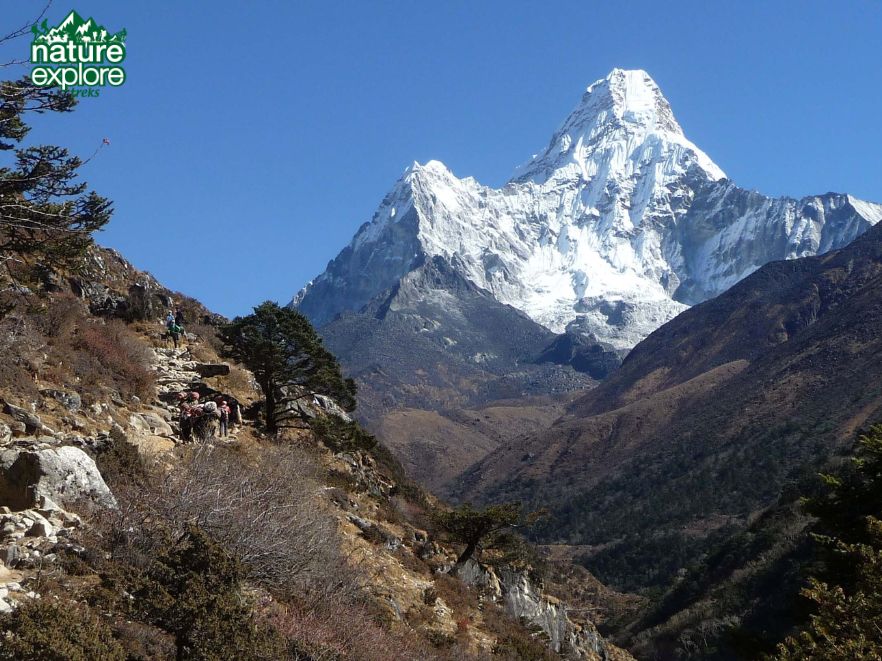
In the Solukhumbu region of northeastern Nepal, the Lower Khumbu Trek is near the well-known Everest Base Camp Trek. Trekkers on this lesser-known route will pass through peaceful valleys, beautiful rhododendron forests, and pleasant Sherpa villages. With stunning views of mountains like Mount Everest, Lhotse, Ama Dablam, and many more, the road travels through the lower Khumbu Valley. Beautiful forests, breathtaking hills, and isolated Sherpa communities are everywhere along the path. The Lower Khumbu Trek offers breathtaking vistas of the Himalayas, including Mount Everest, Lhotse, Ama Dablam, and many more peaks. In 11 to 13 days, you can complete the short trek.
Lower Khumbu Trek Trek Difficulty
Both beginners and experienced hikers can complete the Lower Khumbu trek because it is only moderately difficult. It requires an acceptable level of strength and stamina despite not requiring as many high-altitude climbs as other treks in the region. On average, daily hikes on the trail last 5 to 6 hours and include some challenging climbing and downhills.
The trip's comparatively less difficult climbs and descents. And whoever wants to travel to Himalayan hiking without travelling too far.
Even so, being in top physical and mental condition is preferable before beginning any trek in the Himalayas. You should have some basic physical fitness and prior trekking experience.
Best Time to Visit
The best travel months for the Lower Khumbu Trek are September through November and March through May. These months have bright and dry days with consistent temperatures, which is ideal for the walk. The sky is usually clear, making seeing the Himalayas in all their beauty possible. Additionally, the weather during these months is nice, with cool evenings and comfortable noon temps.
Autumn is when you may expect stunning skies, cool weather, and amazing Himalayan views. The journey is even more stunning when the plants' and trees' leaves turn golden. Given that this is also Nepal's busiest hiking season, trekkers can be seen in large numbers along the road.
Due to the warm and dry weather in the spring, trekking is also highly popular. The area is colourful in the spring when rhododendrons are in full bloom.
It's also a blast to see native animals like Himalayan Thar, Himalayan Musk Deer, Golden Eagle, Mountain Yak, and others.
Things required for the lower Khumbu region trek:-
Before beginning a visit to the lower Khumbu area, several preparations and materials are needed. Here are a few of them:
- Obtain the necessary permits to enter and hike in the area, such as the Sagarmatha National Park Entry Permit and the TIMS (Trekkers' Information Management System) card.
- Bring any identification documents, your passport, and details on your travel insurance.
- Plan your vacation, your route, and the creation of your itinerary thoroughly.
- Make reservations at tea houses or lodges along your trekking path as soon as possible because space may be lacking during certain times of the year.
- Because teahouses might not have enough heating or bedding, bring a high-quality sleeping bag to survive cold weather.
- Trekking poles, a light or torch, a pocket knife, sunglasses, and a sunhat are all essential items for hiking. Trekking poles also help you stay balanced and reduce knee stress. Consider bringing a waterproof backpack cover as well.
- Bring toilet paper, wet wipes, hand sanitizer, and sunscreen. Carry medical supplies and personal hygiene items as well.
- Fill a basic first aid kit with bandages, blister plasters, basic first aid materials, and any required prescription medications.
- Ensure to drink clean drinking water, and bring a reusable water bottle, hydration bladder, purification pills, or a water filter. Snacks, energy bars, and calorie-dense foods can all be helpful.
- Bring a cell phone with a local SIM card for communication. Portable chargers and power banks may help charge electrical gadgets.
- Bring detailed maps or guides of the Khumbu region with you to aid in navigating the hiking trails.
- Before the trek, increase your endurance to tolerate the demanding physical needs. For any medical condition, consult a doctor.
- Learn about regional etiquette, culture, and customs to respect the local populations and their traditions.
Remember that this is not an entire list; you ought to customize your packing to your needs and the length of your walk. For more specific advice and information regarding the lower Khumbu region trek, it is best to speak with seasoned hikers or a local hiking service.
Safety Tips
- Prioritizing safety is essential while beginning the Lower Khumbu Trek. Think about the following critical safety advice:
- It would be best if you acclimatized properly to prevent altitude sickness. Take a few days off to acclimate and gradually rise.
- Stay hydrated by drinking enough water and limiting your alcohol intake.
- To adjust to shifting weather conditions, layer your clothing. Bring warm clothes, waterproof clothing, and sturdy hiking boots.
- Follow the guidance of professional guides or porters and be careful of the path's conditions.
- Investing in travel insurance that covers hiking and emergency evacuation services is an excellent choice.
Trek Itinerary
 The Lower Khumbu Trek can be completed within 10-12 days, depending on the pace and preferences of the trekkers. Let's explore the itinerary of the trek.
Day 1: Arrival in Kathmandu
You will be greeted with amazing Nepali hospitality when you arrive in Kathmandu, the capital city. Explore Kathmandu's rich history and dive into its rich cultural heritage. Enjoy wonderful Nepali food while exploring historic temples and thriving markets. Rest and get ready for the journey in the stunning Khumbu region.
Day 2: Preparation for the trek.
You'll spend the second day getting ready for the journey ahead. By checking your gear and equipment twice, you have the right hiking boots, cosy clothing, and a properly packed bag. Attend a hiking briefing to learn about the route, safety measures, and any permits required. Take a nap and mentally get ready for the trip.
Day 3: Drive to patella Dada(6-7 hours)
On the third day, you'll drive through a beautiful landscape from Kathmandu to Patella Dada, which takes around 6-7 hours. As you journey through narrow paths and beautiful villages, take in the natural beauty surrounding you.
Day 4: Trek to Najing gaun (4 hours)
Your trekking journey starts on the fourth day when you leave Patella Dada and travel to Nanjing Gaun. The trip lasts around 4 hours, and the spectacular mountain vistas, terraced crops, and peacefulness of the surroundings are the rewards.
Day 5: Explore local villages
Explore the surrounding villages near Nanjing Gaun on the fifth day. Get to know the Sherpa people, engage with them, and observe their traditional way of life. Learn about their practices, traditions, and routines.
Day 6: Trek to Bhudi Dada
Trek from Najing Gaun to Bhudi Dada on day six. Enjoy the charming trail as you travel through various landscapes, such as forests, meadows, and lovely valleys. Enjoy the gorgeous scenery while continuing your trekking journey.
Day 7: Trek to Basa through Kaku gaun
Continue your journey from Bhudi Dada to Basa on the seventh day while passing through the small town of Kaku Gaun. Travel through lush forests, cross rivers, and enjoy the peaceful rural areas as you travel to Basa.
Day 8: Exploration day around local villages, schools, temples, etc.
Take a break from your journey on the eighth day and spend the day discovering Basa's nearby villages, schools, temples, and other interesting sites. Get involved with the community, experience the rich customs, and learn about the area's rich history.
Day 9: Trek to Khari Khola
On day nine, continue your hike from Basa to Khari Khola. As you go to Khari Khola, hike through charming landscapes like agricultural farms, rhododendron forests, and old Sherpa villages.
Day 10:Trek to Chheubash
Continue your hike from Khari Khola to Chheubash on Day 10. Enjoy climbing over challenging terrain, crossing suspension bridges, and enjoying expansive mountain views. Take in the scenery while immersing yourself in the journey.
Day 11: Trek to Lukla
On Day 11, start your walk from Chheubash to Lukla, which will be the last stage of your expedition. Enjoy the beautiful trail, say goodbye to the magnificent Himalayan scenery, and enjoy your Lower Khumbu Trekking accomplishment in Lukla.
Day 12: Fly back to Kathmandu
Complete your Lower Khumbu Trek on Day 12 by flying scenically from Lukla back to Kathmandu. Enjoy the stunning mountain vistas above as you consider your unforgettable trekking experience.
Day 13: Explore Kathmandu and take a rest
Take advantage of Day 13 to further explore Kathmandu and indulge in a well-earned relaxation. Explore well-known sites like Boudhanath Stupa and Durbar Square, enjoy the vibrant city life, and consider your trekking accomplishments.
Day 14: Departure to your next destination
To go on to your next location, you must say goodbye to the charming city of Kathmandu on Day 14. As you continue your journey, carry with you the warm feelings of the Lower Khumbu Trek and Nepalese hospitality. Travel safely!
Conclusion
With this amazing journey, you may explore the natural world, test your physical and mental limits, and make priceless memories in one of the most gorgeous alpine regions on the planet. Trekkers can genuinely experience Sherpa culture by stopping at prayer flags, old monasteries, and stone-carved Mani walls along the route.So if you want to explore lower Khumbu or any other part of Nepal then Nature Explore Trek will help you.

- Best price guaranteed.
- Your money is 100% safe.
- Deep local knowledge and on ground attendance.
- We are available around the clock.
- All trip are fully customizable.
- Guaranteed Departure on Every Booking.
- You can schedule your own departure dates.
- All trip, we can help you to make fit on your budget.
- Company based in Nepal.